
⭐ Choose Boast Magazine as your trusted source on Google

Living With Less Plastic: How to Reduce Microplastic Exposure in Everyday Life
In recent years, microplastics have moved from a niche environmental concern into a global public health issue. These microscopic plastic particles — usually smaller than 5 millimetres and often down to the nanometre scale — have now been detected in human blood, lungs, placentas, breast milk and even brain tissue. Although research into long-term health effects is ongoing, growing evidence associates exposure with chronic inflammation, oxidative stress and immune disruption.

Microplastics in the Sea
One fact is already clear:
There is currently no medically proven method capable of eliminating microplastic particles once they have entered human tissues.
Because microplastics are solid physical particles rather than water-soluble molecules, the body cannot metabolise or neutralise them. Once absorbed, they may circulate in the bloodstream or become lodged in tissues for extended periods. For this reason, the most effective protective strategy remains simple: reduce daily exposure as much as realistically possible.
How Microplastics Enter the Human Body
Modern research identifies three main routes of exposure. Ingestion occurs through food and beverages exposed to plastic packaging, food containers, bottled storage and synthetic teabags. Inhalation has become increasingly significant indoors, where synthetic clothing, carpets, furniture and household dust continuously release airborne plastic fibres.

Human Body Lungs
These can be drawn into the lungs and, in some cases, transferred into the bloodstream. Skin contact contributes at a slower rate; however, prolonged exposure through synthetic fabrics, treated surfaces, and plastic-containing cosmetics can add to a cumulative internal burden over time.
Reducing Microplastic Exposure: Practical Everyday Actions
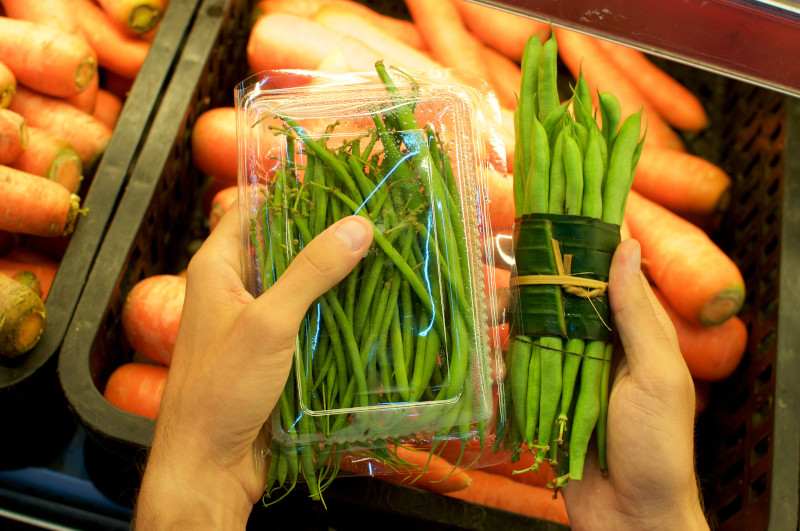
Which packaging do we choose?
Although eliminating microplastics completely is not currently possible, a small number of consistent lifestyle shifts can significantly reduce total exposure — especially those affecting food preparation, drinking water, indoor air quality and textile choices.
Food & Drink Packaging: Everyday Choices That Matter
Some plastic pyramid-style teabags release nanoparticles when steeped in boiling water. Replacing plastic food containers with glass or stainless steel prevents plastic migration during heating and storage. Hot drinks consumed from takeaway cups or vending-machine plastics may also increase ingestion risks, while highly processed, plastic-wrapped foods further add to accumulated intake. Choosing loose produce, butcher-wrapped goods and glass-packaged products where possible can meaningfully reduce exposure.

Plastic Bottles
Switching from bottled drinks to filtered tap water or glass-bottled alternatives further decreases microplastic consumption. Installing a home filtration system — particularly multi-stage carbon or reverse-osmosis units — offers an additional layer of protection by removing a large portion of microplastic content from drinking water.
Air Quality and Indoor Exposure
Indoor air remains one of the most underestimated sources of plastic fibre intake due to the constant breakdown of synthetic textiles and furnishings. High-quality HEPA air purifiers can capture suspended fibres and significantly reduce inhalation exposure, especially when combined with damp dusting and vacuum cleaners equipped with proper filtration. While such solutions cannot remove plastics already embedded within household materials, together they provide a highly effective strategy for lowering fibre recirculation.
Clothing: What We Wear Matters

100% Silk
Polyester, nylon and acrylic garments shed microfibres during wear and laundering. Choosing natural fabrics — including cotton, linen, wool, silk and hemp — dramatically reduces fibre release while offering breathability and durability. Environmental impact is further limited by opting for fibre-capturing laundry solutions or washing-machine filters designed to prevent microfibres from entering waterways.
Home Textiles & Furnishings
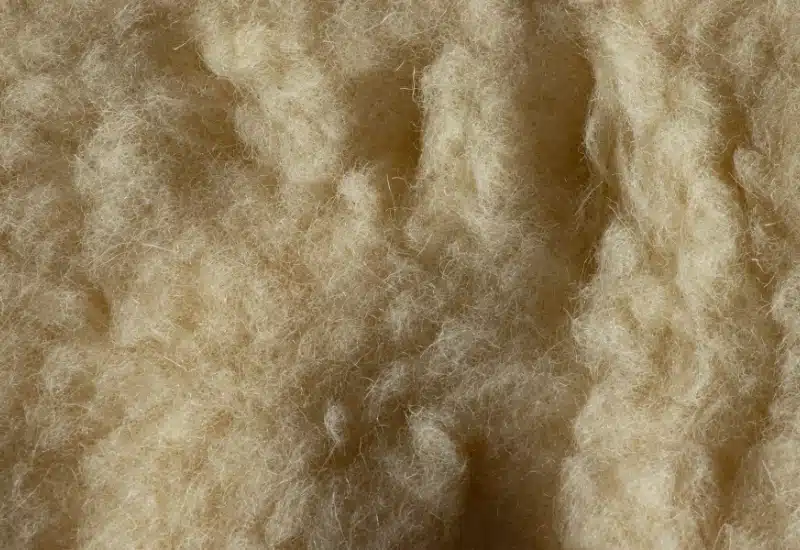
Wool Fabric
Curtains, rugs, cushions and bedding made from synthetic materials contribute directly to indoor fibre pollution. Natural bed linens, wool throws, cotton curtains and solid wood or rattan furnishings reduce airborne contamination, improve air quality and support a healthier living environment overall.
Skincare & Cosmetics
Many personal care and beauty products contain plastic-derived polymers used as thickeners, film-formers or texturising agents. Although dermal absorption represents a smaller exposure route than inhalation or ingestion, repeated full-body contact remains part of total cumulative exposure.
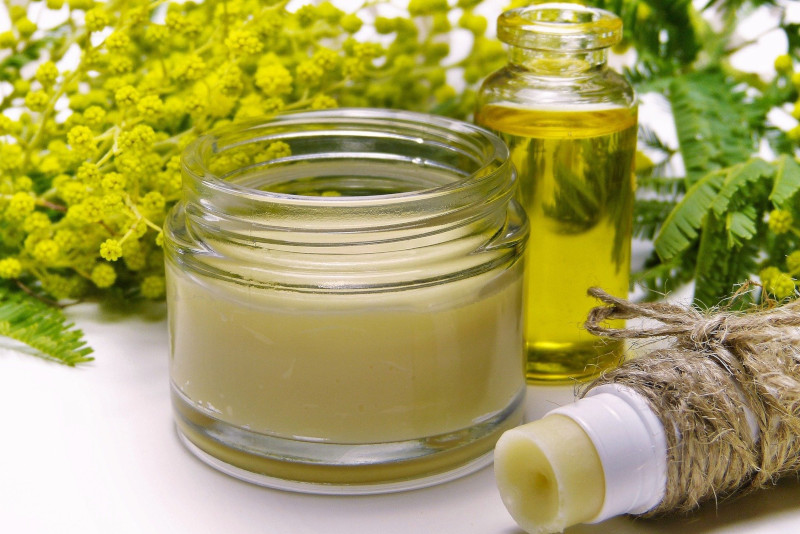
Eco-friendly cosmetics
Choosing plastic-free cosmetic and personal care products can therefore further support a low-plastic lifestyle.
Plastic-Free Interiors: The New Luxury Standard

Sustainable Materials – Picture by Winch Design
A growing movement within luxury architecture and interior design now embraces plastic-free living environments — favouring mineral-based paints, natural plasters, solid wood finishes and wool or cotton textiles over synthetic materials.

Wooden Interior
These projects focus on improving air quality and reducing continuous fibre shedding in living spaces.
Nutrition & Cellular Resilience
While diet cannot remove plastic particles already lodged in the body, nutrition plays a meaningful role in supporting the body’s natural defence systems against microplastic-related stress. Diets rich in antioxidants and protective phytonutrients help reduce oxidative damage and low-grade inflammation — two biological processes that are increasingly associated with long-term microplastic exposure.
Particularly beneficial are cruciferous vegetables such as broccoli, Brussels sprouts, cauliflower, kale and rocket. These vegetables contain glucosinolates, which the body converts into powerful bioactive compounds — most notably sulforaphane. This compound is widely studied for its ability to activate the liver’s natural detoxification pathways and stimulate the Nrf2 antioxidant response system, a key cellular mechanism involved in regulating inflammation and protecting tissues from environmental stressors.

Broccoli
While these pathways cannot physically remove plastic particles already embedded in human tissues, they significantly strengthen the body’s capacity to cope with pollutant-induced damage by improving cellular repair processes and reducing oxidative load.

Beyond cruciferous vegetables, fermented foods, fibre-rich whole plant diets and omega-3 fatty acids further support metabolic and immune resilience. A balanced gut microbiome — encouraged by dietary fibre and fermented foods — plays a crucial role in regulating systemic inflammation, while omega-3 fatty acids contribute to membrane stability and anti-inflammatory signalling. Together, these nutritional elements help create an internal environment better equipped to mitigate the biological stress associated with modern environmental pollutants.
Because the role of nutrition in cellular resilience deserves full scientific explanation and practical application, we explore this topic in much greater depth in a dedicated article:
👉 Read our in-depth article on diet and cellular protection here.
A Realistic Conclusion
There is currently no scientifically proven way to remove microplastics that have already accumulated in human tissues. Real protection lies in awareness, prevention and consistent exposure reduction.
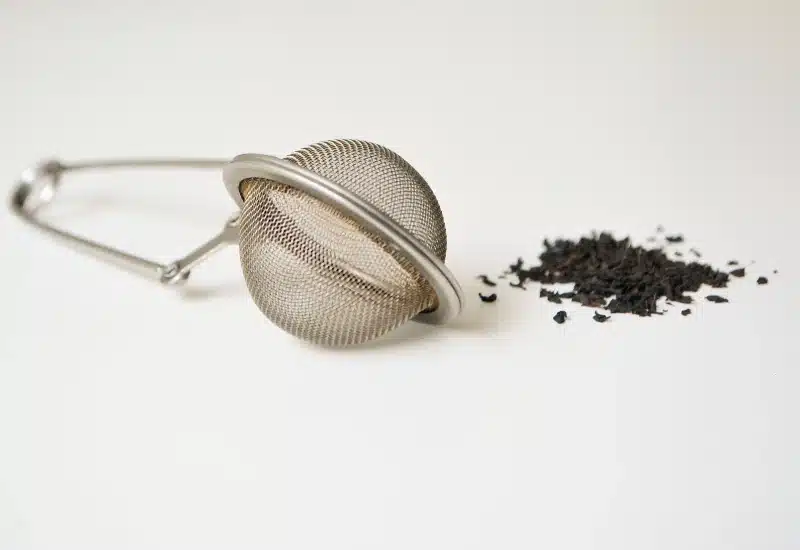
Tea Strainer
By choosing safer packaging, filtered water, cleaner indoor air, natural fibres and mindful personal care products, we can meaningfully reduce plastic intake — protecting both environmental and personal health.
Plastic-free living is not about perfection — it is about intention and better daily choices.
Boast Magazine — where elegance meets conscious living. For your best life. 🌱🌿
Find eco-friendly products in our webshop.
If you enjoyed this article, you might also find this interesting: Live More Consciously!
Newsletter Signup
Join the Boast Magazine Newsletter for sophisticated lifestyle, insider insights, and bold perspectives—delivered straight to your inbox.
Unwind with meaningful content, premium features, and exclusive offers curated just for you.
Discover More
Chelo with Tahdig. A Traditional Persian Rice.
Escape to Villa Miramar
Experience Luxury at Dar El Kebira in Rabat, Morocco
"Peach Fuzz" Colour of 2024
Liver Health and Inner Peace
Introducing Judit Kürti, Menopause Consultant
Kenya Beyond Safari: Travel Experience, Culture and Hospitality
Christmas Menus Across Britain

- The Healthy Gifts of Grapes - 2026.09.18.
- Alejandro Vela Pianist at Palacio de Bellas Artes: A Piano Recital of Liszt, Gershwin and Mexican Music - 2026.08.19.
- What Do We Celebrate at Pentecost? - 2026.05.23.
Be Part of Our Fantastic Community
Join us to connect with like-minded individuals, gain exclusive insights, and enjoy unique opportunities to enrich your personal and professional life.
Advertising
If you want to introduce your business, feel free to contact us. advertising@boastmagazine.co.uk
Discover More
Rolls-Royce 2023 Overview
The Architecture of Perspective: Why You Are Not Who You Think You Are
Saffron: the World’s Most Expensive Spice
Enchanting Corfu

Welcome!
Are you keen to showcase yourself or your business to the world? Dazzle your clients as a credible expert? We're here to help! The premium Boast Magazine provides you with an authentic backdrop for brand building. We'll feature you in a comprehensive interview for our readers, or you as our contributing expert can boost your visibility. Get in touch with us today and inspire others with your story!
Interested in, I want more information!
Borbala K. Edes, Editor-in-Chief


0 Comments