
⭐ Choose Boast Magazine as your trusted source on Google

Live More Consciously!
Simple Steps Towards a More Sustainable Home
If you are serious about living in an environmentally friendly way, you can adopt new habits that will not only reduce your household waste production, but also make your life much healthier! In this article we contribute with some ideas.
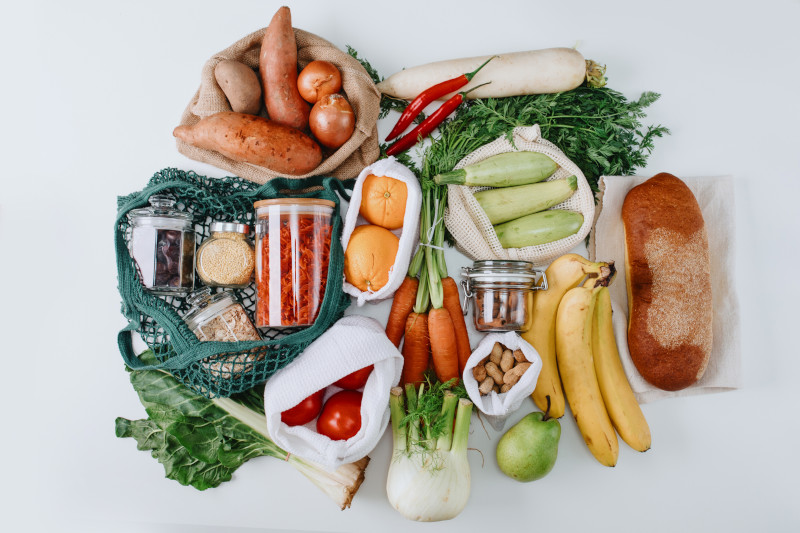
Zero Waste Shopping
Our grandmothers and great-grandmothers produced much less waste than we do. What was their secret?
For example, they brought milk to their house in bottles. They used ice instead of electric coolers, candles or kerosene lamps for lighting, but only when they had to. In harmony with nature, they went to bed at dusk and woke up at dawn to the sound of a rooster. They used horse-drawn carts to transport their goods, and later even washed the nylon bags and used them for something. Shoes and clothes were worn for decades, inherited from an elderly family member, repaired if something broke. They even used the leaky pot as a flowerpot. All in all, nothing was wasted.
Of course, today we don’t have the opportunity to change our world so drastically. But there are a few things we can do to keep our environment liveable, to stop humanity drowning in so much rubbish…
1. Conscious shopping
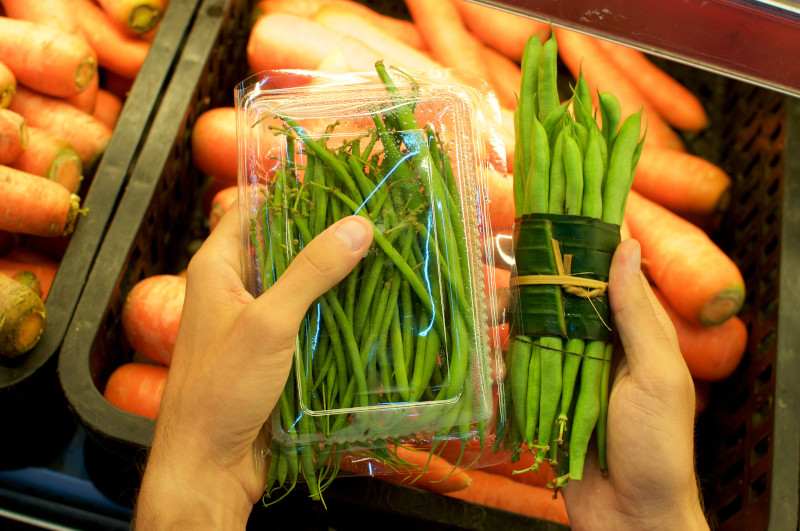
Which packaging do we choose?
Before we go shopping, it’s good to ask ourselves: do I really need the product I want to buy? Is it possible that I already have enough at home?
If you do decide to buy, check: are the goods and groceries you use regularly environmentally friendly? What is their packaging like? Are they recyclable? What are their ingredients?
We often buy the usual products without thinking, but are we sure that this is the best choice from an ecological point of view? After we consume the product, are we creating waste or are we participating in the creation of something valuable? We should check the packaging and if it says it is not recyclable, then it is worth looking at other alternatives. We may have to compromise on ‘best value’ or it may not be what we are used to, but all our efforts are for the future of the planet.
2. Agricultural products
Although eating more fruit and vegetables is healthy, the plastic packaging they come in makes them less “green” to buy. Not buying vegetables is not recommended by any means, but you can try to buy locally at street markets and supermarkets for non-plastic wrapped fruit and vegetables.
3. Buy in bulk, less often

Shelf with Food Containers in Package Free Organic Shop
There are shops where you can fill your own flour, rice, pasta and even washing up liquid. It’s definitely “greener”, even if you use the plastic you already have, than buying it 4 or 5 times over.
If we can cut down on the amount of shopping we do, and walk or cycle to the nearest shop for fresh produce in between big purchases, we have already done a lot to reduce pollution.
4. Eco-household cleaning products

Environmentally Friendly Cleaning Products
Choosing the right cleaning products is one of the areas where it is important to develop a new approach. Fortunately, there are many opportunities to replace harmful cleaning products with environmentally friendly ones! Pay attention to the packaging, but read the ingredients to make sure they are not harmful to the environment.

Soap-nuts
When washing, you can use washing soda, soap-nuts or laundry soap, and add a few drops of real essential oil to your rinse water. Bicarbonate of soda or vinegar water is best for mopping, baking soda with essential oil for carpet cleaning, vinegar water for general washing and vinegar is also best for window cleaning. The important thing is to choose natural cleaning products that do not harm wildlife when they get into the wastewater. They are also healthier for us.
Some religious organisations have environmentally friendly products, and you can also find non-harmful cleaning products in organic shops.

Environmentally Friendly Cleaning
Chlorine cleaners and various other very strong chemicals, destroy the invisible, natural life in our environment: they destroy the bacteria and microbes that protect us and help our immune system against pathogens (which is why we do not recommend the regular use of hand sanitisers, which destroy the skin microflora, just like harsh household cleaners).
5. Beauty care
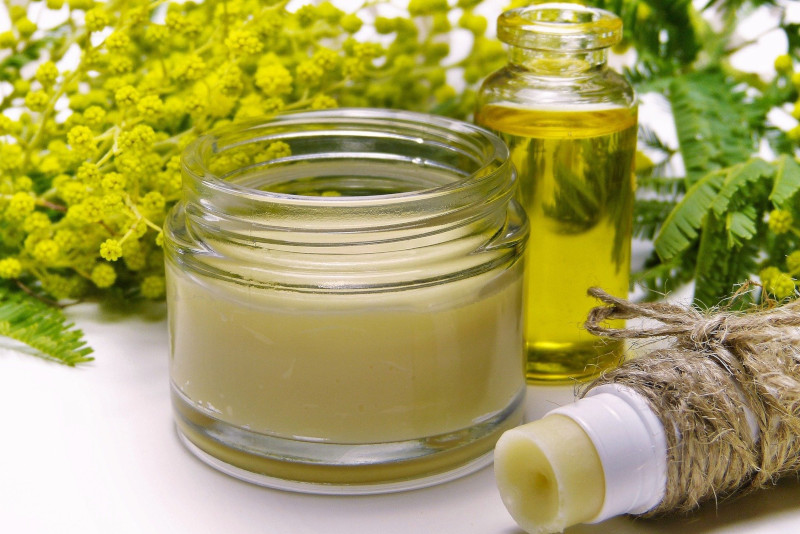
Eco-friendly Cosmetics
Look for organic and homemade or small artisanal products, handmade soaps. Also, many beauty products can be substituted with homemade products. For skin and hair care, for example, we can use real almond or olive oil, shea butter, goat’s milk, egg for hair brushing, tooth powder made from zeolite rock for brushing teeth, or baking soda, essential oils.
6. Composting

Composting
A great deal of organic waste from your home can be disposed of with a composting device or even a simple pit at the end of your yard.
What can we compost? The peels, rinds, seeds, cores of virtually every fruit and vegetable we’ve used, used loose tea leaves (not the filtered kind) and coffee grounds, fruits and vegetables we’ve forgotten about and which have expired, etc.
If you are not going to buy a composting machine, you will need a nice composting bin, preferably metal. The contents of this will be dumped into your composting pit once or twice a week. Later, we can use the finished compost for our potting soil.
7. Separate waste collection and recycling

Useful Bottles in the Household
What we can’t compost, e.g. glass, metal, plastic, can be collected in a selective waste bin, which the municipality will take away. We can use jars for other things, they are a waste to throw away (whether you put fruit or jam in them or store other things like spices).
8. Use natural materials

Natural Textiles
As far as we can, we can banish all kinds of plastics from our lives. In most cases, there are alternatives made of natural materials for utensils, but we can even build our houses using only natural materials. In clothing, for example, we can support our health and well-being by not wearing clothes and shoes made of plastic.

Eco-friendly Products
9. Grow it, make it at home!

Home-made Jam
We can grow vegetables, fruit and herbs at home if we have a small kitchen garden, terrace or roof terrace. You can also make Caucasian kefir at home if you buy a little Caucasian kefir mushroom. You can bake very healthy sourdough bread and other baked goods at home, even in a simple oven. We can roll pasta, dry fruit or tomatoes at home. You can make pickles, jams and preserves, preserving them naturally.
10. Sharing and using less cars

Shopping by Foot
Some countries are trying to reduce car use by having several households sharing a car. This may sound a bit steep in the UK, but if we can do it with even one family, we can save money and improve the air quality of our environment. Or, if we only have one car in the family, we can plan our journeys more consciously. We can learn to only use the car when it’s really essential. We can walk or cycle shorter distances, which is also good for our shape.
11. Watch out for trees and bushes!

Grandfather and Grandson Planting a Tree
Many people start gardening by cutting down all the old trees and bushes and replacing them with paving stones and grass. This practice is not to be encouraged. The more trees we plant in our environment, the better! We can also collect the seeds of different fruit trees during the year and simply scatter them in nature when we travel. In the old days, fruit trees were planted along every road for travellers. This is a way of reviving a little of this tradition.
12. Join our city’s litter picking programmes or organise litter picking activities in our neighbourhood

Picking Up Litter Together
There is nothing sadder than to see small canals, wooded lanes, beaches, or even just streets in a municipality littered with rubbish and plastic bags. Many municipalities and local civic associations organise regular litter picks. If you live in a place where such occasions are rare and you see litter around you, you can organise a clean-up of plastic and other litter.
13. Don’t burn rubbish, plastic, forest litter!

Forest
Although there is a long tradition of burning forest floor in autumn, it is a serious air pollutant. It can also kill small creatures (such as hedgehogs) that may be hiding in the leaves. Many local authorities will take the rubbish away if you put it in bags outside your house. But it can also be composted with other organic waste if you can take the collected waste to the nearest forest, where it will decompose.
Other non-degradable rubbish must not be burnt! Burning them releases serious health hazardous compounds into the air.
Some ideas to get you started:
Container-free shop – https://sunandswellfoods.com/
Eco-friendly washing liquid, wooden brushes, bamboo toothbrushes – https://www.theplasticfreeshop.co.uk/
Compost bin – https://www.all-green.co.uk/mini-cream-metal-compost-caddy
Our article has not listed all the practical ways to take care of the environment and live more naturally and eco-consciously.
If you have more ideas, please share them with us and our readers in the comments! How do you take care of the environment where you live? What have you learned from your grandmother or great-grandmother?
If you liked the article, you may also be interested in this: Casa Cares, Italy
Discover More
Magical Life Insights
Martin Luther and the Reformation
Casa Cares. A traditional self-sustaining economy in Tuscany.
Casa Cares. Tradition, Harmony, Closeness to Nature
"Furnishing" our Lives
Air Purifying Plants
"Furnishing" Our Lives
Monk Who Turned The World Upside Down

- About the Virgin of the Sky - 2026.08.23.
- Simnel Cake Recipe - 2026.03.24.
- Saint Patrick’s Day - 2026.03.17.
Be Part of Our Fantastic Community
Join us to connect with like-minded individuals, gain exclusive insights, and enjoy unique opportunities to enrich your personal and professional life.
Advertising
If you want to introduce your business, feel free to contact us. advertising@boastmagazine.co.uk
Discover More
The Seadragon Discoverer
Martin Luther and the Reformation
Improve Your Health by Living with Less Plastic
Unique Christmas Traditions Around the World

Welcome!
Are you keen to showcase yourself or your business to the world? Dazzle your clients as a credible expert? We're here to help! The premium Boast Magazine provides you with an authentic backdrop for brand building. We'll feature you in a comprehensive interview for our readers, or you as our contributing expert can boost your visibility. Get in touch with us today and inspire others with your story!
Interested in, I want more information!
Borbala K. Edes, Editor-in-Chief


0 Comments