
⭐ Choose Boast Magazine as your trusted source on Google

Boast Magazine | Culture & Art
Estimated Reading Time: 6 minutes
What Do We Celebrate at Pentecost?
Pentecost: The world’s one of the oldest Christian celebrations in the spirit of tradition, faith and renewal

Pentecost
The question: What do we celebrate at Pentecost? returns year after year — and for good reason. Pentecost is celebrated on the fiftieth day after Easter, and in 2026 it falls on 24 May (with Pentecost Monday on 25 May in many countries). It is one of Christianity’s most important celebrations, representing the coming of the Holy Spirit, spiritual renewal, community and human hope. While church bells ring across towns and villages, ancient folk traditions come to life and gardens burst into bloom, people around the world celebrate this special season in very different ways — yet often with the same deeper meaning.
What Does Christianity Celebrate at Pentecost?
Pentecost begins on the fiftieth day after Easter. The word itself comes from the Greek pentēkostē, meaning “fiftieth”.
According to Christian tradition, this was the day when the Holy Spirit descended upon Jesus’ disciples in Jerusalem. In the Book of Acts, the disciples were praying together in a house when suddenly there came a sound “like the blowing of a violent wind”, and tongues of fire appeared above them. From that moment, they were able to speak in different languages and spread the Gospel to people from many nations.
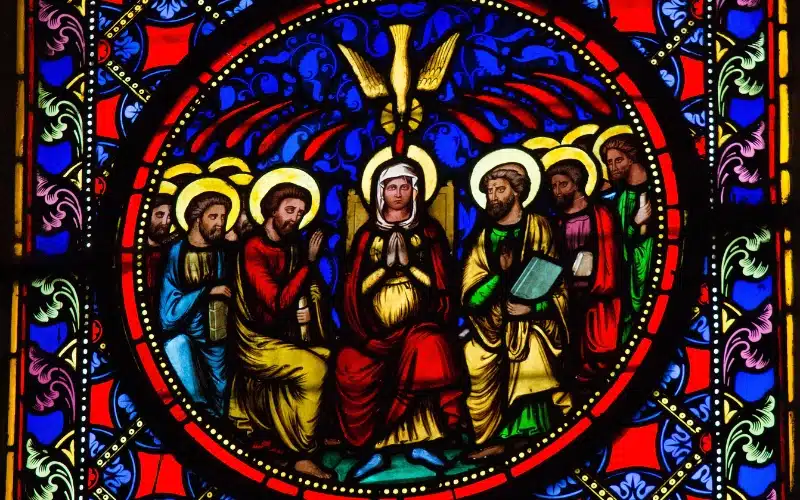
Pentecost
For this reason, Pentecost is often referred to as the “birthday of the Church”. It is far more than a religious commemoration: in Christian belief, it marks the moment when fear turned into courage, uncertainty into purpose, and isolated individuals into a true community.
Does Pentecost Have Pagan Roots?

Pentecost
Like many major European celebrations, Pentecost also carries traces of older, nature-based traditions. Before Christianity spread across Europe, late spring and early summer were already associated with fertility, renewal and the rebirth of nature.
Green branches, flowers, spring processions and communal games gradually became part of Christian Pentecost customs in many countries. This is why so many Pentecost traditions today combine both religious symbolism and folk heritage.
Perhaps this is what makes Pentecost feel so deeply human: it is where the celebration of the soul meets the celebration of nature.
How Is Pentecost Celebrated in the United Kingdom?
In the United Kingdom, Pentecost has traditionally been known as “Whitsun” or “Whitsunday”. The name is believed to refer to the white garments worn by those preparing for baptism during the celebration. In the UK, Pentecost Sunday is the main day of observance, while Pentecost Monday is a bank holiday.

Pentecost
During the Victorian era, Whitsun became an important community festival marked by parades, church music, family picnics and village fairs. Even today, many British towns and churches continue to hold Pentecost services and cultural events connected to the celebration.
In some parts of the English countryside, the tradition of decorating churches with spring flowers still survives, especially in smaller villages.
Newsletter Signup
Join the Boast Magazine Newsletter for sophisticated lifestyle, insider insights, and bold perspectives—delivered straight to your inbox.
Unwind with meaningful content, premium features, and exclusive offers curated just for you.
Pentecost Across Europe – Where Faith Meets Folk Tradition
Italy – Red Rose Petals from Above
In some churches across Italy, there is a centuries-old tradition of scattering red rose petals from the church ceiling onto the congregation below. The petals symbolise the tongues of fire that, according to the Bible, descended upon the disciples.
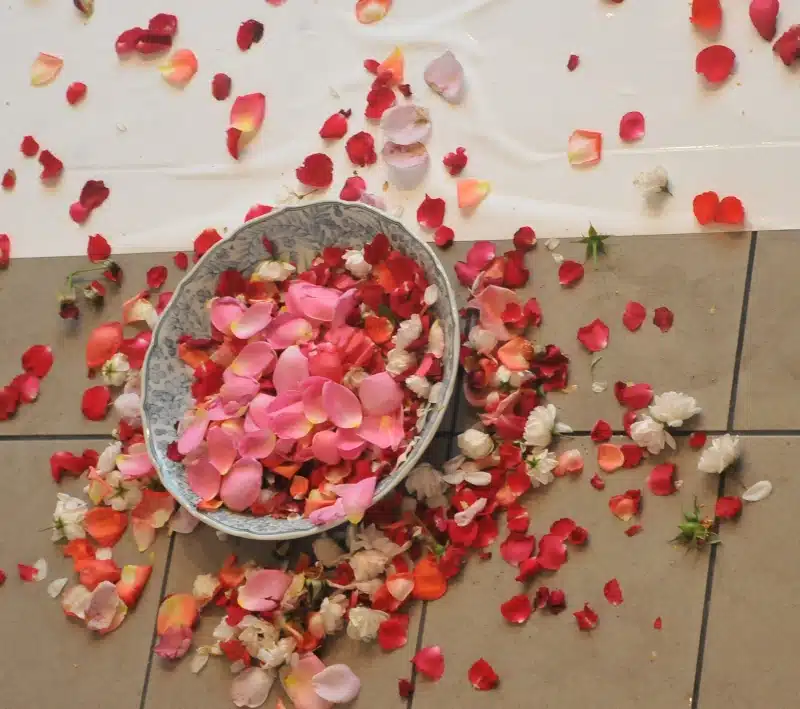
Rose Petals, photo Balázs Sánta
The colour red here represents divine presence, spiritual renewal and the fire of the Holy Spirit.
Germany – The Dove of the Holy Spirit
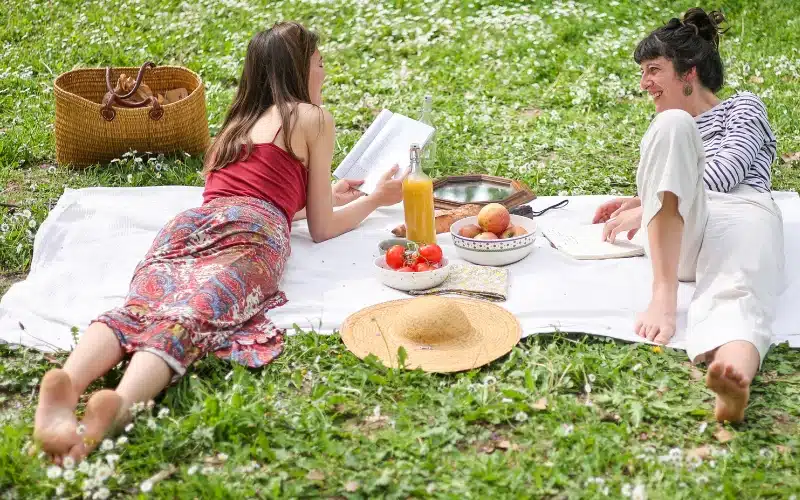
In many parts of Germany, Pentecost is celebrated both as a religious and seasonal festival. Villages are decorated with green branches and birch trees, while in some regions, white doves are released as symbols of the Holy Spirit.
Pentecost
Family outings and community gatherings also remain an important part of the German Pentecost tradition.
Do you love healthy smoothies? 🧋🍓🍉🥭
Download our special smoothie recipe collection here!
Hungary – Flowers, Folk Games and Community Celebrations
In Hungary, Pentecost is especially rich in folk traditions. One of its best-known symbols is the peony, which blooms during this period and is often placed on church altars. Its deep pink or crimson petals have become symbols of beauty, life and renewal.
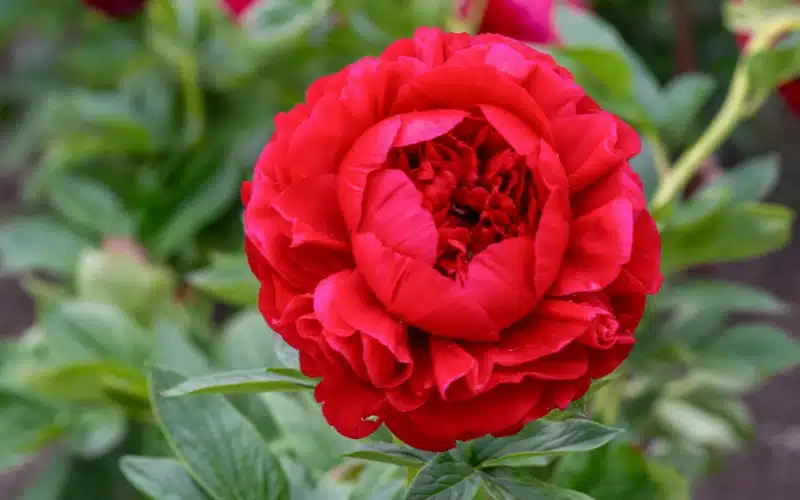
Peony
According to tradition, the peony also represents the tongues of fire of the Holy Spirit descending upon the disciples. For many people, its vivid red petals evoke this divine flame.
One of the most famous folk customs is the election of the “Pentecost King”. Young men competed in horse riding, strength trials and various games of skill, while the winner earned special privileges and honour for an entire year.
Among young women, the tradition of “pünkösdölés” was widespread: girls walked from house to house singing songs, offering blessings and decorating villages with flowers.
Mexico – Colour, Music and Living Faith
In Christian communities across Mexico, Pentecost is a vibrant and deeply emotional celebration. Churches are decorated with red ribbons and crimson flowers, symbolising the fire of the Holy Spirit.

Pentecost in Mexico
Masses are often accompanied by live music, choirs and extended communal celebrations. In some regions, white doves are released to symbolise peace and the Holy Spirit.
In Latin American culture, faith is often experienced as something deeply communal and emotional — and Pentecost is one of its most beautiful expressions.
Brazil – Faith and Celebration Together
In Brazil’s Catholic communities, Pentecost also carries great significance. Across many cities, multi-day religious festivals are held where music, dance and shared meals all play an important role.
Pentecost
Brazil is also home to strong charismatic Christian movements, which is why Pentecost is often celebrated through passionate prayer, singing and deeply spiritual communal gatherings.
The United States – Many Traditions Within One Country
The Christian communities of the United States are extremely diverse, and Pentecostal traditions vary greatly between states and denominations.
In Catholic churches, priests often wear red vestments, while Protestant and Pentecostal congregations place greater emphasis on the personal experience of the Holy Spirit. Many American churches organise outdoor worship services, gospel concerts and community events during this period.
In the southern states, especially, Pentecostal church traditions remain vibrant, with music and emotional expression playing a central role in worship.
Ethiopia – Ancient Christianity and African Spiritual Traditions
Ethiopia is one of the world’s oldest Christian nations, where Pentecost holds profound spiritual significance within the Ethiopian Orthodox Church.
The celebration is preceded by long liturgies, fasting and communal prayer. Inside churches, colourful garments, ancient chants and drums create a deeply sacred atmosphere.
One of the unique aspects of Ethiopian Christianity is that many traditions have survived for centuries, almost unchanged. Pentecost here is not simply a holiday, but a deeply spiritual experience.
Why Does Pentecost Still Matter Today?
Pentecost
In a modern world where people often feel overwhelmed, scattered or isolated, the message of Pentecost may be more relevant than ever.
According to Christian tradition, the Holy Spirit gave people courage, connection and hope. And perhaps this is what people still celebrate today all around the world — from Hungary to Brazil, from Ethiopia to the United Kingdom.
Not simply a religious event.
But the moment when people begin to believe once again that fear can give way to light, community and life.
As Jesus said to His disciples at the Ascension:
“And surely I am with you always, to the very end of the age.”
According to Christian tradition, Pentecost was the moment when the disciples first truly experienced the fulfilment of this promise. Fear became courage, uncertainty became faith, and isolation became community.

If you are not just building a career, but something more meaningful —You may find your place within the pages of Boast Magazine.
A space for thoughtful voices, fresh perspectives, and expertise that deserves to be seen.
→ Become a contributor at Boast Magazine
Discover More
Roast Turkey Recipe – Jamie Oliver Inspired Style
Superhero amongst us: The silent power of listening
I Miss The Man He Was...
Autumn Holidays from Saint Demetrius' Day to Saint Andrew's Day
Saint Patrick's Day
Introducing Otília Nagy, Painter
The Importance of Menstrual Education in Modern Women’s Health Protection
"I DON'T THINK YOU HAVE, MATE!"

- The Healthy Gifts of Grapes - 2026.09.18.
- Alejandro Vela Pianist at Palacio de Bellas Artes: A Piano Recital of Liszt, Gershwin and Mexican Music - 2026.08.19.
- What Do We Celebrate at Pentecost? - 2026.05.23.
Be Part of Our Fantastic Community
Join us to connect with like-minded individuals, gain exclusive insights, and enjoy unique opportunities to enrich your personal and professional life.
Advertising
If you want to introduce your business, feel free to contact us. advertising@boastmagazine.co.uk
Discover More
Christmas, Baklawa, Stradivari
Experience Luxury at Dar El Kebira in Rabat, Morocco
Connecting with Shakespeare
Casa Cares. Tradition, Harmony, Closeness to Nature

Welcome!
Are you keen to showcase yourself or your business to the world? Dazzle your clients as a credible expert? We're here to help! The premium Boast Magazine provides you with an authentic backdrop for brand building. We'll feature you in a comprehensive interview for our readers, or you as our contributing expert can boost your visibility. Get in touch with us today and inspire others with your story!
Interested in, I want more information!
Borbala K. Edes, Editor-in-Chief


0 Comments