
⭐ Choose Boast Magazine as your trusted source on Google

Healthy Weight Loss After 40
A Sophisticated, Science-Led Guide (No Shortcuts)
At Boast Magazine, we champion elegant, sustainable choices: balanced eating, joyful movement, lower stress, and a richer life — not quick fixes.
Why Weight Loss Changes After 40

Weight Loss After 40
Turning forty is a milestone – one that often comes with wisdom, confidence, and a deeper understanding of ourselves. Yet, for many women, it also arrives hand-in-hand with hormonal shifts, a slower metabolism, and the challenge of maintaining a healthy weight. The good news? Weight loss after 40 is not only possible, but can also be deeply rewarding – if approached with elegance, balance, and the right knowledge.
Hormones & Body Composition
From the late thirties onwards, oestrogen and progesterone begin to fluctuate, and most adults lose some lean muscle mass each decade if they don’t regularly train. Less muscle means a slightly slower resting metabolism and a tendency to store more energy as fat, particularly centrally.
Fat Cells and Hidden Toxins

Fat Cells and Leukocytes
Fat Cells and Leukocytes: Fat cells are not just passive storage units. They release chemical signals that can attract leukocytes (white blood cells). Once present, these immune cells trigger further inflammation around the fat tissue. Over time, this constant low-grade inflammation can interfere with metabolism, increase insulin resistance, and raise the risk of chronic diseases such as type 2 diabetes and heart disease.
Fat cells are not passive storage units. They act as reservoirs, storing not just excess energy but also toxic compounds absorbed from food, air, and the environment. When weight loss occurs too rapidly, these toxins can be released into the bloodstream at once, potentially overwhelming the body’s natural detoxification systems. This is why dramatic diets or extreme calorie restriction can sometimes do more harm than good. For women navigating hormonal transitions, a measured, steady approach is safer and more sustainable.
“Sustainable weight management is about supporting the body’s natural balance – not shocking it into change.” – Dr. Eleanor Hughes, Nutritionist
Drastic Weight Loss During Menopause and Cancer
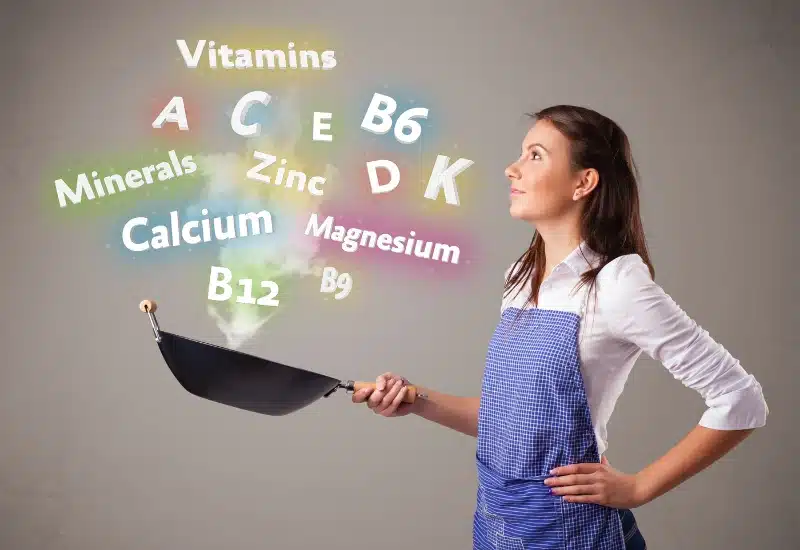
Weight Loss After 40/ Important Vitamins
Menopause is already a time of profound hormonal change: declining oestrogen affects fat distribution, metabolism, and the body’s natural ability to repair cells. Within this more vulnerable biological state, drastic weight loss – marked by rapid fat reduction, insufficient intake of essential vitamins and minerals, and lack of physical activity – can carry significant health risks.
Adipose tissue is not a passive store of energy; fat cells also act as reservoirs for toxins absorbed from food and the environment. When fat is broken down too quickly, these stored compounds may be released into the bloodstream all at once, placing pressure on the body’s detoxification systems, such as the liver and kidneys. This surge can heighten oxidative stress and fuel low-grade inflammation.
When compounded by nutrient deficiencies and inactivity, the body’s defences are further weakened: DNA repair slows, immune response is compromised, and hormonal imbalance deepens. Over time, these processes may create conditions in which chronic illnesses – including certain cancers, notably breast and colorectal – are more likely to emerge.

Healthy, Balanced Diet Plan
By contrast, gradual, well-nourished weight management combined with regular movement helps reduce inflammation, preserves muscle and bone health, and strengthens the immune system. This balanced path not only supports sustainable weight loss but also offers protection against long-term disease.
Stress, Sleep and Appetite Signals

Enough and Restorative Sleep
Busy lives, disrupted sleep, and chronic stress alter hunger and satiety hormones, nudging us towards higher-calorie choices and making consistency harder.
The Allure and Risk of Weight-Loss Injections
In recent years, injectable treatments have taken centre stage. Ozempic (semaglutide), a medicine originally designed for type 2 diabetes, has surged in popularity for weight loss. Public discussion has intensified as high-profile figures acknowledge using GLP-1 medications for weight management.
Ozempic: A Trend or a Trap?
Ozempic works by mimicking a hormone that regulates appetite and slows gastric emptying. It can lead to clinically significant weight reduction, but side effects may include nausea, gastrointestinal discomfort, fatigue, and, for some, weight regain after discontinuation. While short-term results can be impressive, the key question remains: is it truly sustainable without the foundations of lifestyle change?
“Medication can create the illusion of control, but lifestyle is the only path to true, lasting health.” – Dr. Marcus Bell, Clinical Dietitian
The Elegant, Sustainable Strategy
1) A gentle calorie deficit (not deprivation)
For most adults, a modest daily deficit (think: a few hundred calories) paired with nutrient-dense meals is both effective and kinder to your hormones, mood, and performance. As a rule of thumb, aim to lose ~0.5–1.0 kg per week at most; faster isn’t better for long-term maintenance.

Bathroom Scales. Weight Loss After 40
“Aim for a steady 0.5–1 kg loss per week; faster isn’t better.”
— Guidance consistent with UK dietetic practice (NHS/BDA)
2) Protein, fibre, and colour
- Protein: include a palm-sized serving at each meal to protect lean mass and satiety (fish, eggs, Greek yoghurt, tofu, legumes, lean meat).
- Fibre: vegetables, fruit, legumes, and whole grains keep you fuller for longer and support a healthier microbiome.
- Colour: build plates around greens and vibrant produce; add whole-grain or legume-based carbs as needed for energy.
3) Train for the future body you want
Resistance training 2–4x/week rebuilds muscle and bone; brisk walking/cardio supports heart health and recovery. Non-exercise activity (NEAT) — steps, stairs, moving more — quietly compounds results.
4) Recovery, stress care, and joy

Weight Loss After 40. Calm and Relaxed Lifestyle.
Prioritise 7–9 hours’ sleep, keep caffeine earlier in the day, schedule calming rituals (nature, breathwork, baths, prayer/meditation). A calmer nervous system makes consistent eating dramatically easier.
Rapid Weight Loss and “Stored” Chemicals: What to Know
Adipose tissue doesn’t just store energy; it can also hold lipophilic environmental chemicals (e.g., certain persistent organic pollutants). When weight is lost very quickly, circulating levels of some of these compounds can rise transiently as fat is mobilised. That’s one reason we prefer a gradual, well-nourished approach, rich in fibre and protein, with plenty of hydration and medical supervision where appropriate.
Key takeaways: slower, steadier loss; diverse, colourful diet; keep bowels regular (fibre + fluids); resistance training to preserve muscle; routine health checks with your clinician if you have existing conditions.
GLP-1 Medicines (e.g., Semaglutide): Where They Fit — and Where They don’t
How They Work (Briefly)
GLP-1 receptor agonists (such as semaglutide) mimic an intestinal hormone that helps regulate appetite and blood sugar, often reducing hunger and portion sizes. They can be clinically useful for the right patient, with medical supervision.
Benefits and Cautions
- Potential benefits: meaningful weight loss for many users; improved glycaemic control in people with type 2 diabetes.
- Common side effects: nausea, reflux, constipation/diarrhoea; dose titration and diet quality matter.
- Not a lifestyle replacement: without nutrition, activity and sleep changes, weight regain is common after discontinuation.
Serena Williams and the GLP-1 Conversation

Serena Williams, Tennis Champion Image credit: By Edwin Martinez – Flickr, CC BY 2.0, via Wikimedia Commons
Serena Williams has publicly acknowledged using a GLP-1 medication. Her openness highlights how even icons of strength and performance are drawn into the wider conversation about medical weight management. It’s a moment that invites nuance: elite athletes may explore medical tools, yet Williams has long championed consistency, training discipline and joy as the bedrock of wellbeing.
“I’ve always believed that strength comes from consistency and joy, not shortcuts.” – Serena Williams
Her stance is a helpful reminder: even when medicines are used, long-term health still rests on habits – nourishing food, movement, recovery, and a positive relationship with one’s body.
A Boast-Approved Blueprint (That Actually Lasts)

Weight Loss After 40: A Healthy Diet
Plate pattern
- ½ plate: non-starchy vegetables (variety & colour).
- ¼ plate: lean protein (fish, eggs, tofu, beans, poultry).
- ¼ plate: smart carbs (oats, quinoa, whole barley, lentils, new potatoes, whole-grain rice/pasta) + a thumb of olive oil, nuts or seeds.
Weekly anchors
- 2–4 resistance sessions (full-body, 30–45 minutes).
- 150–300 minutes moderate cardio or equivalent steps (spread across the week).
- Protein target: roughly 1.2–1.6 g/kg body weight/day (adjust with your clinician/dietitian).
- Fibre target: 25–35 g/day from plants; hydrate well.
Mindset that wins the long game
Losing weight is a marathon, not a sprint.
- Progress, not punishment: choose the next elegant action; don’t chase perfection.
- Data, lightly: track a few metrics (energy, sleep, steps, strength, waist), review weekly.
- Environment design: stock fruit/veg, pulses, fish; pre-prep salads and grains; keep treats portion-controlled.
When to Seek Personalised Support
If you live with chronic conditions (e.g., diabetes, thyroid disease, cardiovascular risk) or you’ve had a history of disordered eating, partner with your GP and a registered dietitian for tailored guidance. Midlife is precisely when smart support pays dividends.
The Boast Approach: Elegant, Natural, and Balanced
- Natural: Prioritising whole foods, colourful vegetables, lean proteins, and healthy fats.
- Balanced: Embracing variety – eating less overall, but enjoying more diversity on the plate.
- Active: Movement as joy – from yoga and swimming to dancing and long walks.
- Mindful: Stress reduction, breathwork, and quality sleep are as vital as diet and exercise.
- Joyful: Health is not about restriction; it’s about living fully, with elegance and energy.
Healthy Weight-Loss Tips After 40

Weight Loss After 40
- Slow and steady wins – Aim for gradual fat loss to allow the body time to process and clear released compounds safely.
- Prioritise protein – Helps preserve muscle mass, which naturally declines with age, supporting metabolism.
- Strength training – Building lean muscle boosts resting energy expenditure and protects bone health.
- Gut health first – Fibre-rich foods and live cultures support digestion, immunity, and hormone balance.
- Reduce stress – Elevated cortisol is a hidden driver of abdominal fat; mindfulness, restorative sleep, and nurturing social connections all play a vital role.
- Hydration & rest – The simplest, yet most elegant secrets of vibrant health.
Final Thoughts
Healthy weight loss after 40 is not about battling biology or chasing fads. It’s about honouring the body’s wisdom, embracing natural rhythms, and creating habits that sustain joy and wellbeing for decades to come.
At Boast, we celebrate strength, beauty, and resilience at every age. Let your journey be not about shrinking, but about thriving.
Boast Magazine’s Stance

The Result: A Healthy, Fit YOU
We advocate for natural, sustainable methods first: balanced meals, joyful movement, quality sleep, lower stress, and more delight. Medical therapies may have a place for some — always with clinical oversight — but your daily habits remain the true compounding engine of a stronger, brighter you.
References:
Lovejoy, J. C., & Sainsbury, A. (2009). Sex differences in obesity and the regulation of energy homeostasis. Obesity Reviews, 10(2), 154–167.
Harvard T.H. Chan School of Public Health. Nutrition and Menopause. Retrieved from https://www.hsph.harvard.edu/nutritionsource/
Key, T. J., Schatzkin, A., Willett, W. C., Allen, N. E., Spencer, E. A., & Travis, R. C. (2004). Diet, nutrition and the prevention of cancer. Public Health Nutrition, 7(1a), 187–200.
World Cancer Research Fund / American Institute for Cancer Research. (2018). Diet, Nutrition, Physical Activity and Cancer: a Global Perspective. Continuous Update Project Expert Report.
Mishra, G. D., et al. (2012). Health outcomes of women at midlife: a systematic review of observational studies. Menopause, 19(11), 1197–1209.
Rock, C. L., et al. (2020). Nutrition and physical activity guidelines for cancer survivors. CA: A Cancer Journal for Clinicians, 72(4), 230–262.
Before You Go
A little gift for you: The Ultimate Boast Smoothie Recipe Collection to improve your healthy diet.

The Ultimate Boast Smoothie Recipe Collection
Download it now with free registration. 🎁⏬
- Enjoyed this piece? Subscribe to our newsletter for weekly, ad-free insights.
- Ready to build your own publication? Join our Magazine Creation Course.
- Expert with something to say? Apply to our Contributor Programme.
Newsletter Signup
Join the Boast Magazine Newsletter for sophisticated lifestyle, insider insights, and bold perspectives—delivered straight to your inbox.
Unwind with meaningful content, premium features, and exclusive offers curated just for you.
Discover More
Lucky Foods in Europe
Pumpkin Goat Cheese Souffle
Improve Your Health by Living with Less Plastic
The Importance of Music Education
The World’s Favourite Royal Egg Dishes
Dr Réka Varga the Creator of Plantmed Skincare
Positeam, Business of the Future
Valentine's Day Gift Ideas

- The Healthy Gifts of Grapes - 2026.09.18.
- Alejandro Vela Pianist at Palacio de Bellas Artes: A Piano Recital of Liszt, Gershwin and Mexican Music - 2026.08.19.
- What Do We Celebrate at Pentecost? - 2026.05.23.
Be Part of Our Fantastic Community
Join us to connect with like-minded individuals, gain exclusive insights, and enjoy unique opportunities to enrich your personal and professional life.
Advertising
If you want to introduce your business, feel free to contact us. advertising@boastmagazine.co.uk
Discover More
Kinesiology and Stress Resolution — Interview with Andrea Ácsné Kemény
An Ancient Estate Transformed into a Paradise
Mother's Day Gift Ideas
Roast Turkey Recipe – Jamie Oliver Inspired Style

Welcome!
Are you keen to showcase yourself or your business to the world? Dazzle your clients as a credible expert? We're here to help! The premium Boast Magazine provides you with an authentic backdrop for brand building. We'll feature you in a comprehensive interview for our readers, or you as our contributing expert can boost your visibility. Get in touch with us today and inspire others with your story!
Interested in, I want more information!
Borbala K. Edes, Editor-in-Chief


0 Comments